

Most B2B companies invest heavily in content such as blogs, whitepapers, webinars, and case studies. These formats are still valuable, but they face a growing challenge: attention.
Today’s decision-makers operate in an environment flooded with information. Between meetings, emails, and constant notifications, very few professionals have the time to read long content before deciding whether it is relevant to them.
This is where short-form video is transforming B2B marketing.
Instead of asking audiences to read multiple paragraphs, short videos convey the core insight in seconds. They provide clarity, context, and visual explanation in a format that aligns perfectly with modern content consumption habits.
Platforms such as LinkedIn, YouTube, Instagram, and TikTok have accelerated this shift. What began as entertainment content has evolved into a powerful communication tool for businesses.
For B2B organisations looking to capture attention, build authority, and communicate complex ideas quickly, short-form video is becoming essential.

The growing role of video in B2B marketing is supported by strong industry evidence. Across sectors, organisations are seeing measurable improvements in engagement, lead generation, and revenue when video becomes part of their content strategy.
Vidico research indicates that around 70% of B2B buyers use video throughout their decision-making journey, underscoring how often video helps professionals evaluate products and services.
Businesses that actively incorporate video into their strategies also tend to perform better financially. Research suggests that organisations using video experience revenue growth up to 49% faster than those that don’t.
From a marketing performance perspective, the results are equally impressive. A Wyzowl survey shows that about 85% of marketers report video helping them generate leads, while more than 80% say video has directly contributed to increased sales.
Video also stands out in terms of engagement. Compared with static content, video can generate dramatically higher engagement levels than text and image content combined, making it one of the most effective ways to capture audience attention.
Even email campaigns benefit from video integration. Marketing emails that include video have been shown to significantly increase click-through rates, helping businesses drive more traffic and conversions.
Length also plays a critical role. Research consistently shows that the most effective short-form B2B videos are under 90 seconds, with engagement peaking when videos stay below one minute. These shorter formats are long enough to deliver meaningful insights while remaining concise enough to hold attention in a busy feed.
Together, these insights make one thing clear: video is becoming one of the most influential formats in modern B2B communication.

1. It Captures Attention Instantly
In crowded digital environments, the first few seconds determine whether someone engages with content.
Short-form video is designed to capture attention immediately through movement, visuals, and concise messaging.
Instead of scrolling past another long post, viewers can quickly understand the topic and decide to keep watching.
2. It Simplifies Complex Ideas
Many B2B products and services involve technical concepts that can be difficult to explain using text alone.
Video combines visuals, narration, and storytelling to make complex ideas easier to understand.
Short videos can demonstrate:
- How a product works
- Key platform features
- Workflow improvements
- Industry challenges and solutions
When audiences can see something in action, comprehension improves significantly.
3. It Builds Trust Through Human Connection
Behind every B2B organisation are experts, innovators, and leaders. Short-form video allows companies to showcase the people behind their expertise.
Content such as leadership insights, expert commentary, and behind-the-scenes perspectives helps build authenticity and credibility.
In a market where trust influences purchasing decisions, human-centred communication can make a significant difference.
4. It Expands Reach Across Platforms
Modern content strategies rarely rely on a single platform. Short-form video performs effectively across multiple channels.
A single video can be adapted for:
- LinkedIn posts
- YouTube Shorts
- Instagram Reels
- Website landing pages
- Email marketing campaigns
This flexibility allows organisations to maximise the impact of a single piece of content across multiple touchpoints.
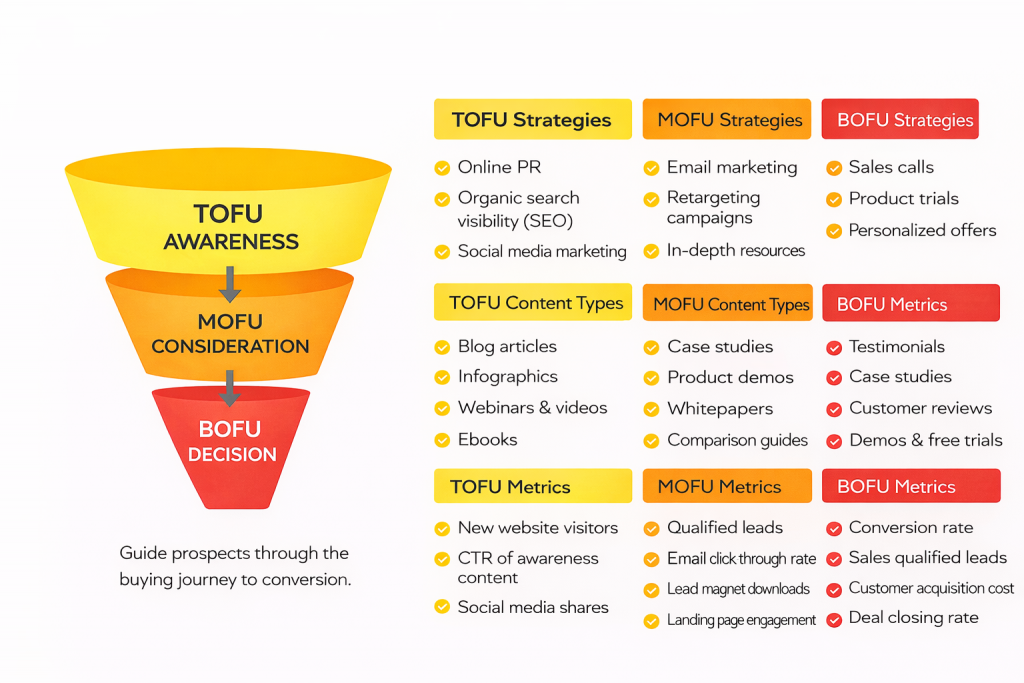
5. It Supports the Modern B2B Buyer Journey
Today’s B2B buyers conduct extensive research before engaging with a sales team. Content plays a critical role in guiding them through this journey.
Short-form video can support each stage:
TOFU – Awareness: insights about industry challenges and emerging trends
MOFU – Consideration: product demonstrations and solution explanations
BOFU – Decision: customer testimonials and case studies
By delivering information quickly and clearly, video helps prospects move confidently towards a purchasing decision.

Digital communication is evolving rapidly. Businesses can no longer rely solely on traditional formats to capture attention and communicate expertise.
Short-form video combines speed, clarity, and engagement, making it one of the most effective ways to communicate with modern professional audiences.
In an era shaped by AI-driven discovery, evolving search behaviour, and increasing digital competition, organisations must adapt how they present information online. By incorporating formats such as short-form video into broader digital strategies, businesses can communicate ideas more clearly, strengthen their brand presence, and connect more effectively with today’s