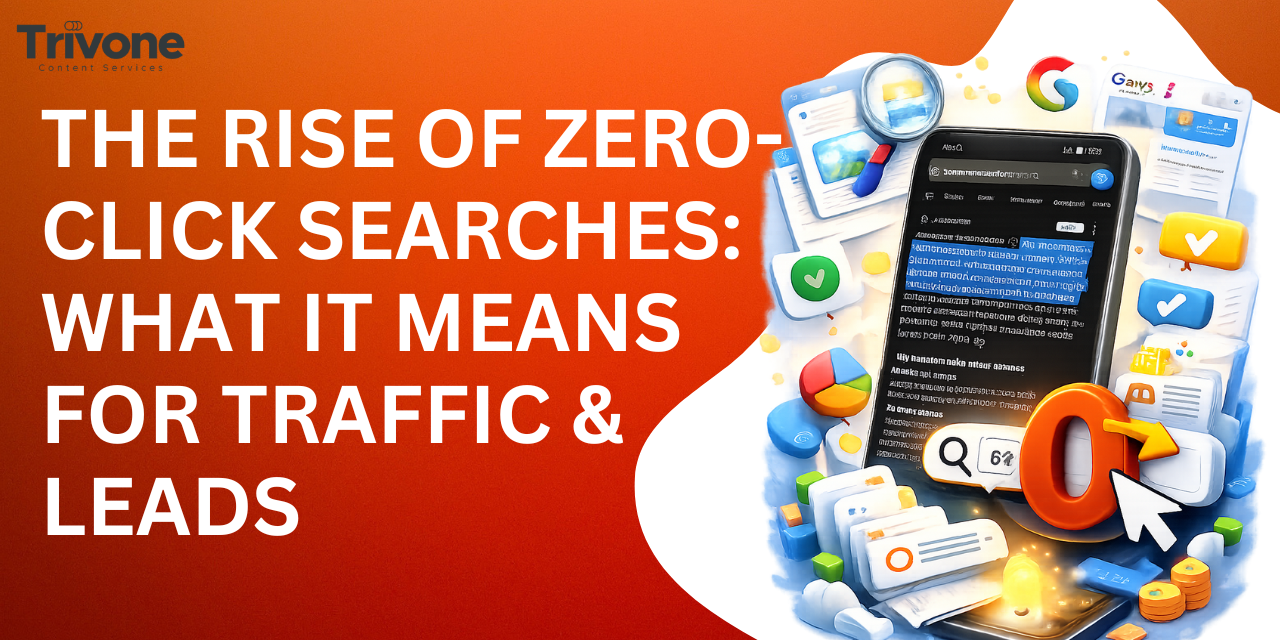
The way people search online has changed dramatically. Search engines are no longer just gateways that send users to websites — they have evolved into answer engines. Today, users often get what they need directly on the search results page, without clicking on any website at all.This shift has led to the rapid rise of zero-click searches, a trend that is redefining how businesses approach SEO, content marketing, and lead generation.
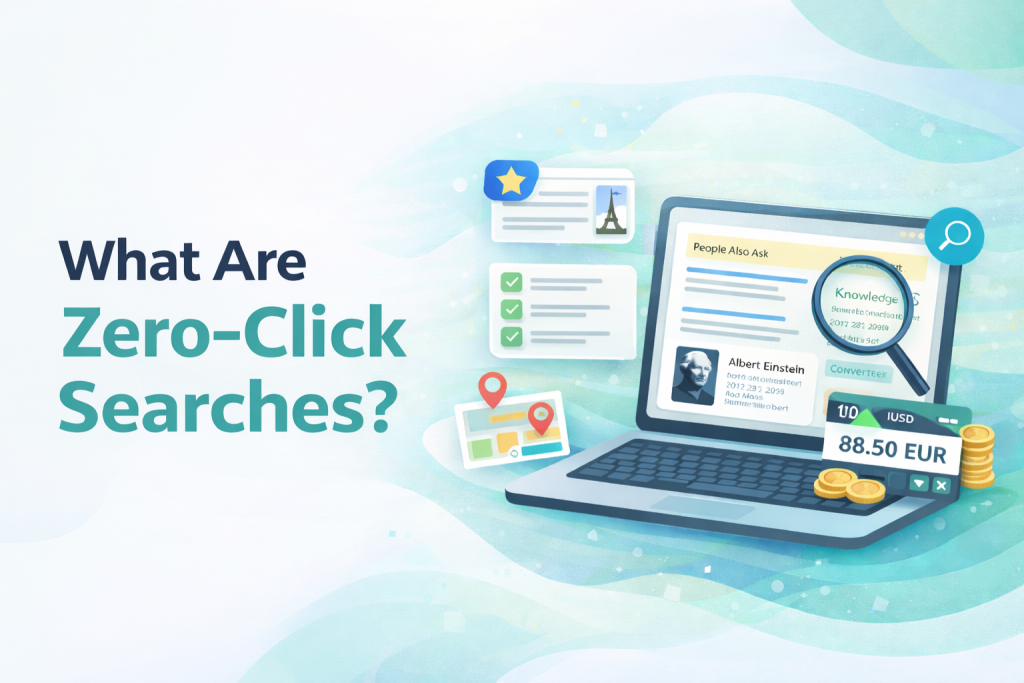
A zero-click search occurs when a user’s query is fully answered on the search engine results page (SERP), eliminating the need to click through to a website.
Common examples include:
- Featured snippets (position zero answers)
- Knowledge panels
- “People Also Ask” boxes
- Local business listings and maps
- Instant tools like calculators, conversions, and definitions
Google’s mission is to organise the world’s information and make it instantly accessible. While this improves user experience, it also means that many searches now end on Google itself.
Recent data shows that more than 60% of Google searches result in zero clicks, and for purely informational queries, the percentage is even higher.
Why Zero-Click Searches Matter
For years, SEO success followed a predictable pattern:
Higher rankings → more traffic → more leads.
Zero-click searches disrupt this flow. Even when your content ranks first, users may never visit your site because Google displays the answer upfront.
This is especially challenging for businesses that rely heavily on:
- Informational blog content
- FAQs and “how-to” guides
- Definition-based or awareness-stage articles
Many brands now see rising impressions but declining clicks — a frustrating but increasingly common reality.
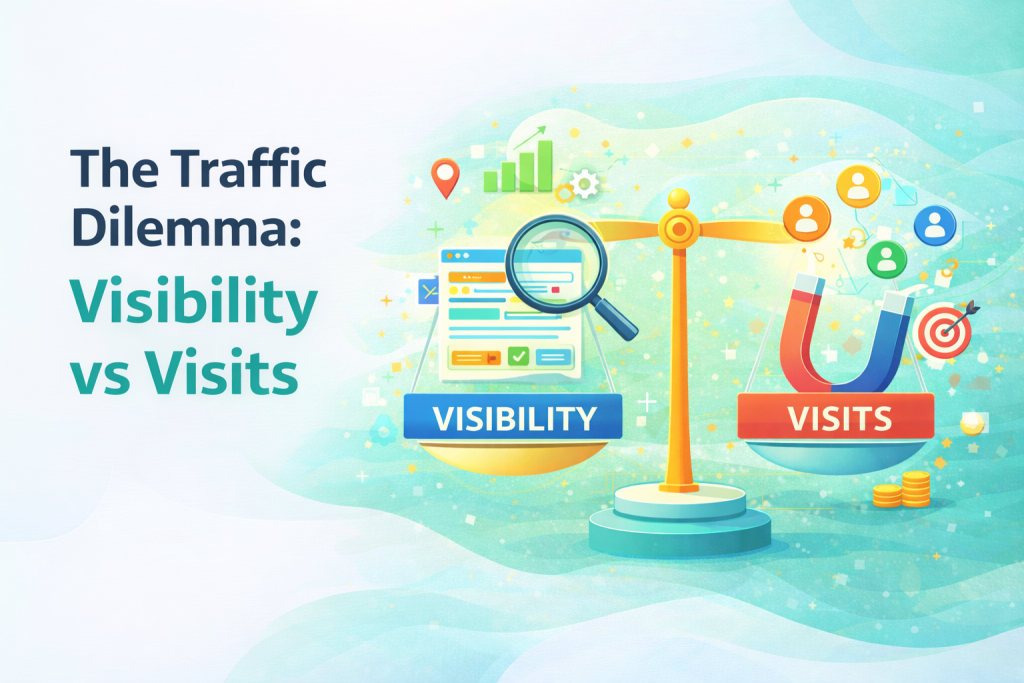
Appearing in a featured snippet or knowledge panel is a sign of authority. Google trusts your content enough to surface it as the best answer.
However, this recognition comes with a trade-off:
- Increased brand visibility
- Reduced click-through rates
Ranking #1 no longer guarantees traffic. “Position zero” may strengthen brand recall, but it doesn’t always lead to engagement, conversions, or leads.
For businesses built on content-driven traffic, this forces a hard question:
If users don’t click, how do we create value?
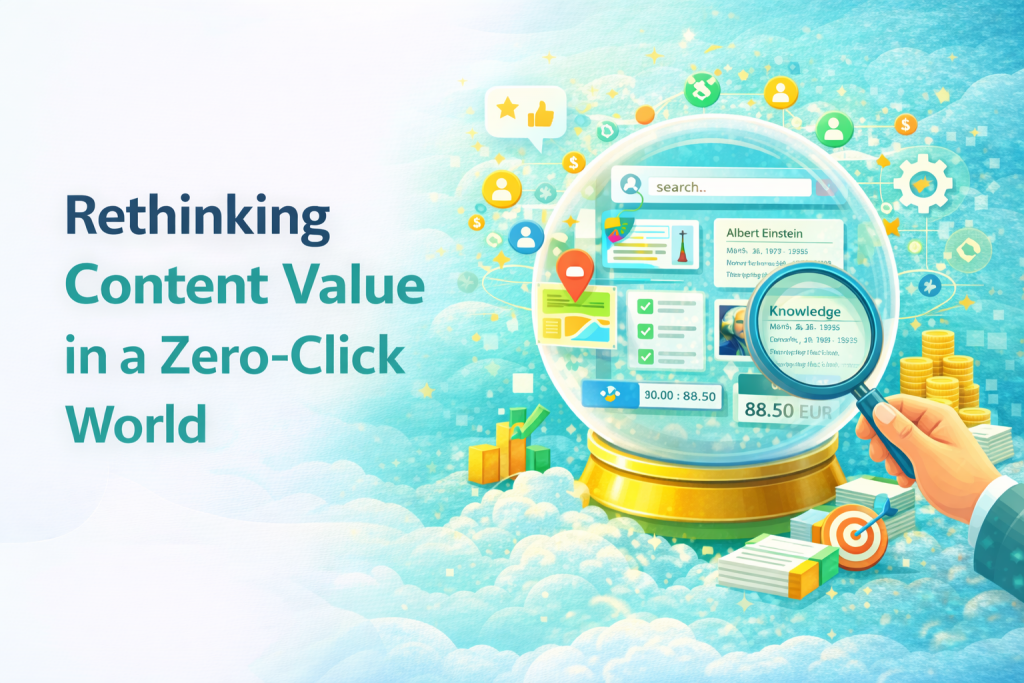
The rise of zero-click searches means that basic information is no longer enough. Simple answers are easily extracted and displayed by search engines.
What still earns clicks is content that offers:
- Depth and nuance
- Context and explanation
- Practical, actionable insights
- Unique perspectives or expertise
Users click when they want more than a short answer — when they need clarity, guidance, tools, or decision support.
This shift rewards:
- In-depth guides and thought leadership
- Interactive tools and calculators
- Original research and proprietary data
- Case studies, frameworks, and comparisons
In short, content must invite exploration, not just provide answers.
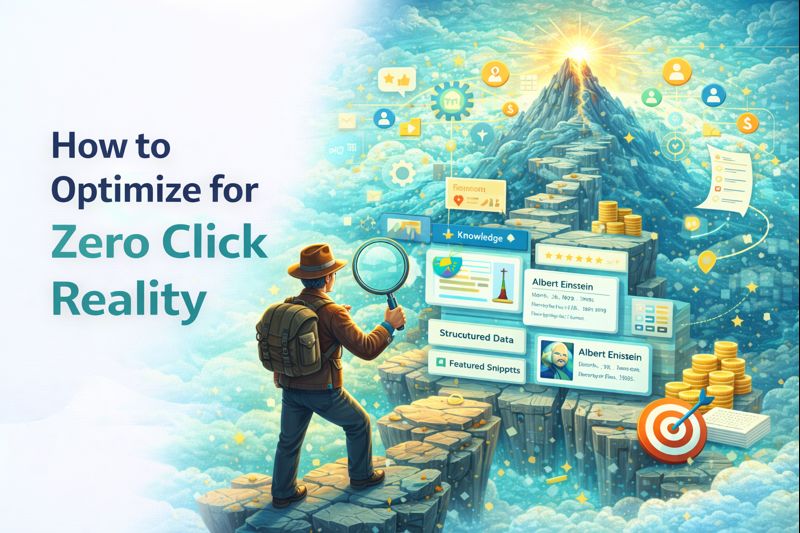
Zero-click searches don’t eliminate opportunity — they change where value lies.
1. Use featured snippets for brand building
Appearing consistently in snippets builds trust and authority. Even without clicks, repeated exposure strengthens brand recall and credibility.
2. Target queries that still drive clicks
Commercial and transactional searches — such as comparisons, pricing, reviews, and solutions — still require deeper exploration and generate stronger intent.
3. Double down on local optimisation
Local search results often lead to actions rather than clicks: phone calls, direction requests, or store visits. A strong Google Business Profile can turn visibility into real-world leads.
4. Create content journeys, not standalone pages
Use snippet-friendly content as an entry point, then guide users toward deeper resources, tools, or next steps that live on your site.
Partnering for Long-Term Growth
Adapting to zero-click searches requires strategic thinking, not short-term fixes. Brands need partners who understand how search, content, and conversion now work together.
Trivone helps businesses navigate this shift with:
- Advanced SEO strategies
- High-quality, intent-driven content
- Conversion-focused optimisation
The goal isn’t just more visibility — it’s sustainable growth, even as search behaviour continues to change.
Final Thoughts
Zero-click searches aren’t the end of SEO. They mark its next evolution.
The brands that succeed will be those that move beyond surface-level answers and create experiences, insights, and value that users actively seek out.
In a world where clicks are optional, being memorable is essential.