For decades, digital visibility meant mastering SEO: keywords, backlinks, meta tags, page speed. Rank high on search engines — and you got traffic and growth.
But 2025 has a very different playbook. The rise of AI-powered tools and generative engines is changing how people search, consume information, and discover brands. As a result, new optimization strategies — AEO, AIO and GEO — are no longer optional. They’re essential for staying visible in an “AI-first” web.
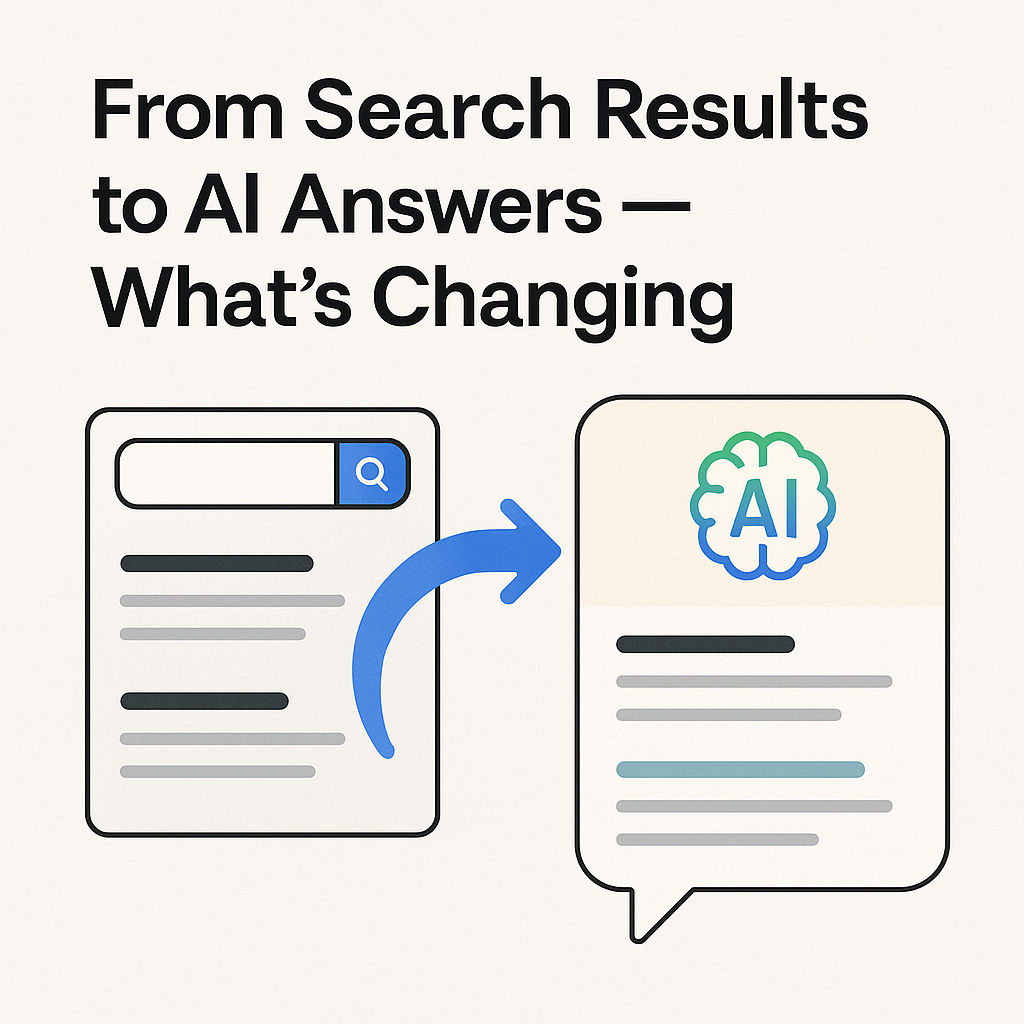
Old Search (Traditional SEO) | New Search (AI-First Answers) |
Users type short, keyword-based queries | Users ask full questions conversationally |
Google shows 10 blue links | AI shows one complete answer |
Users click multiple websites to compare | Users get instant, consolidated information |
Visibility depends on ranking position | Visibility depends on AI citation & trust |
Backlinks = authority | Expertise, clarity & accuracy = authority |
SEO results vary based on keywords | AI answers vary based on context & intent |
Content skimmed by humans | Content parsed deeply by AI models |
Traffic comes from clicks | Traffic drops due to zero-click answers |
SEO focuses on optimizing pages | AIO/GEO focus on optimizing information |
Search intent is inferred | Search intent is explicit and conversational |
What Are AEO, AIO & GEO? (And Why They Matter)
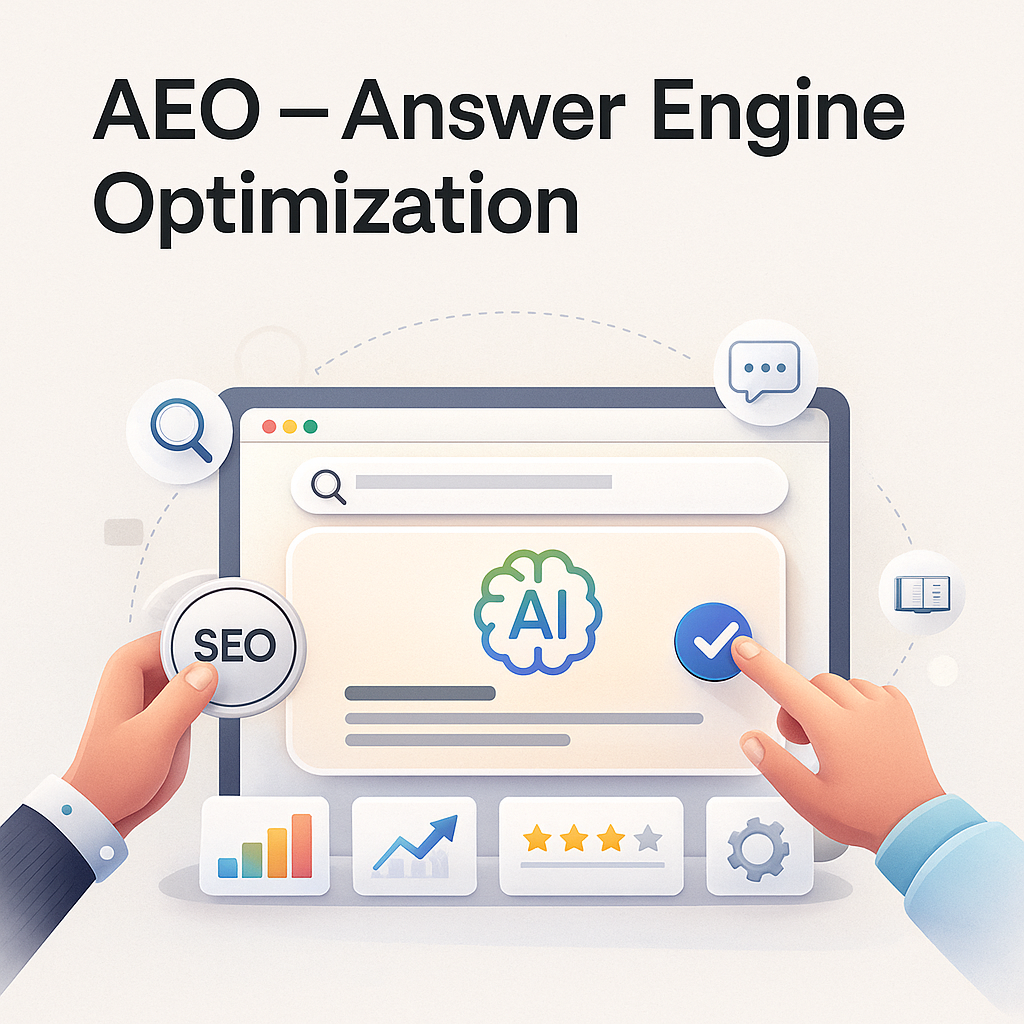
This is about structuring your content so that AI-powered answer engines (voice assistants, chatbots, AI overlays) can directly pull and show it. Think FAQs, concise answers, natural language, question-based headings — ideal for featured snippets, voice queries, and direct answers.
AIO – Artificial Intelligence Optimization
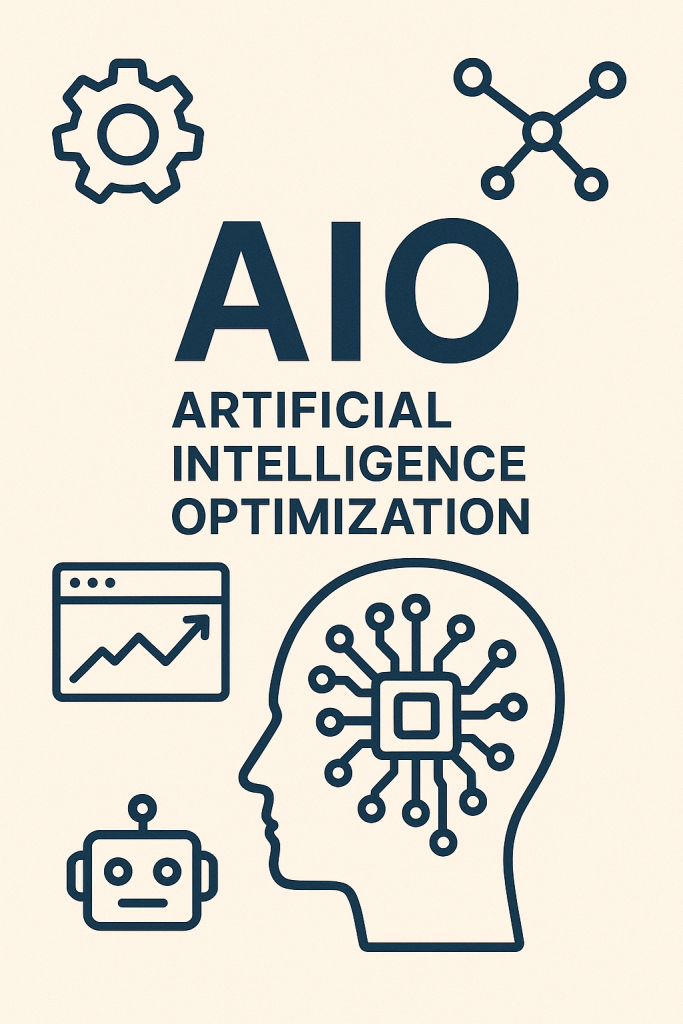
AIO ensures that both AI tools and humans can interpret your content clearly and easily. It’s more than human readability — it’s about making content AI-friendly: well-structured, semantically clear, context-rich, and machine-scannable.
This is the big new frontier. GEO is about ensuring your content gets picked up, referenced, or cited by generative AI engines (like chatbots, LLM-based search, answer-generators) when they build responses. It’s not about ranking on a search results page — it’s about being part of the answer it
One of the biggest misconceptions is that AEO/AIO/GEO replace SEO. They don’t. Instead, they extend and evolve it. According to experts:
- SEO remains critical — especially for technical health, performance, backlinks, organic search visibility.
- But SEO alone is no longer enough. The new “visibility stack” includes: SEO ➝ AEO ➝ AIO ➝ GEO.
- Marketers who succeed will build integrated strategies: combining best practices from all — traditional SEO + content crafted for AI + generative-engine readiness.
If you treat these as separate silos — you’ll lose. If you treat them as layers — you win.
1) User behavior is shifting fast
With AI-powered search growing rapidly, more people get instant answers. Studies show that when AI-summaries appear, click-through rates on traditional links drop significantly.
This “zero-click” phenomenon means many users never visit actual webpages — but still get information. For you, that means your brand visibility depends increasingly on whether AI chooses to cite you.
2) AI engines prefer quality, clarity and authority
Generative engines favor content that is:
- well-structured and semantically clear
- backed by expertise, clarity, and factual accuracy
- helpful, context-rich, and conversational
Thin content, vague listicles, or “SEO-only” articles risk being ignored.
3) The visibility game has changed
Visibility is no longer just about being on Page 1. It’s about:
- being cited in AI-generated answers
- showing up in voice responses
- becoming a recognized “trusted source” for generative engines
GEO is quickly becoming the new standard for digital authority.
Since you are already a digital marketer, building your brand “Blissful Notes,” and navigating the world of social media and content — here’s a roadmap to adapt:
1) Start with strong SEO foundations
- Ensure your site is technically healthy, mobile-friendly, fast-loading, well-structured.
- Keep metadata, headings, keywords optimized where relevant.
2) Write content for both humans and AI (AIO)
- Use clear headings, subheadings, short paragraphs, bullet-lists, Q&A / FAQ sections.
- Focus on clarity, context, and readability — not just SEO keywords or hacks.
3) Create answer-friendly content (AEO)
- Identify common questions in your niche (beauty tips, marketing insights, analytics).
- Write short, precise answers at top — then expand with depth.
- Use conversational tone and natural language, mimicking how people ask questions.
4) Prepare for generative engines (GEO)
- Add credible data, references, real-world examples — build authority.
- Maintain consistent brand voice and credibility across all content.
- Use semantic structure — clear headings, proper formatting, schema/markup if applicable.
- Publish regularly and around focused topics — build topical authority.
5) Monitor and adapt
- Keep an eye on how your content performs — both in traditional search and AI-driven results.
- Test by asking AI tools questions related to your content niche — see if you appear.
- Update content to keep it fresh, accurate, and AI-ready.
What the Future Looks Like — And Why You Should Care
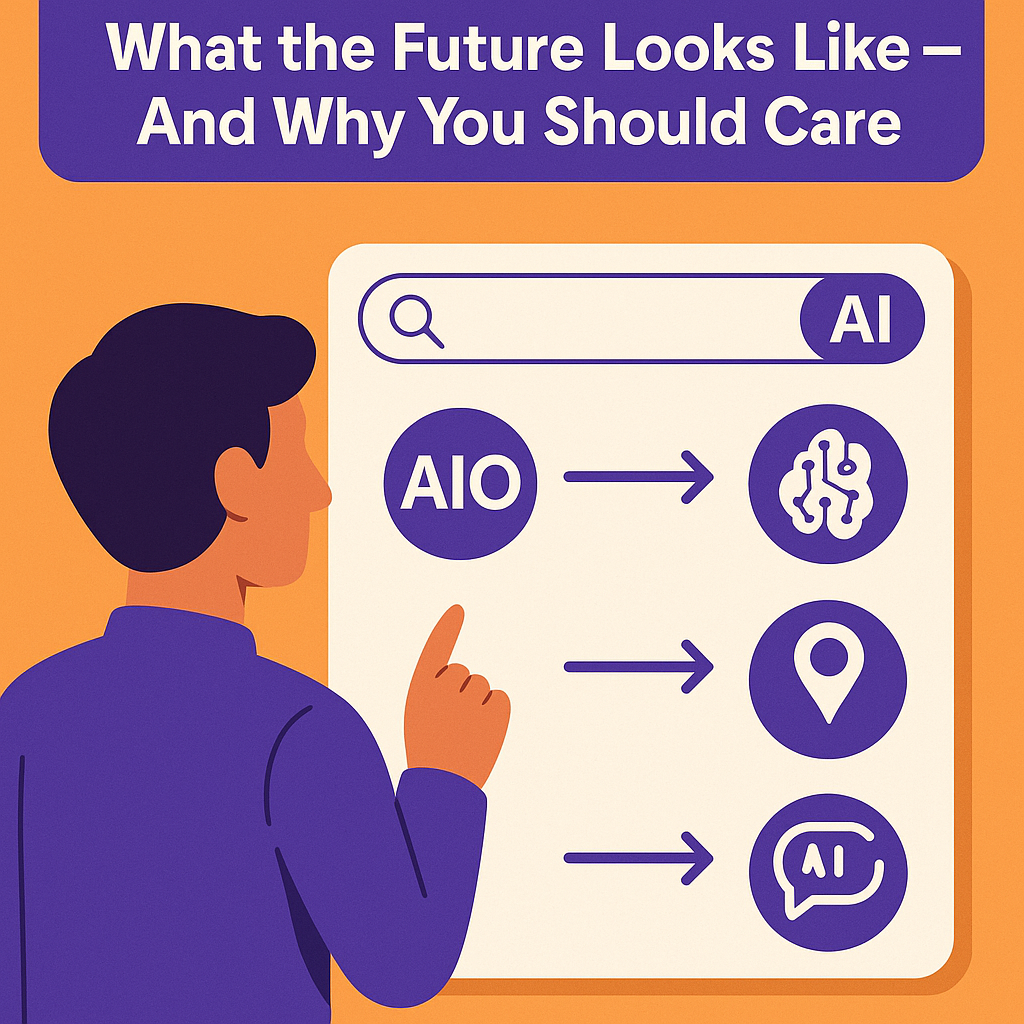
- Search will continue evolving toward AI-first discovery. Generative engines will become primary entry points for many users. What that means: the brands that are “AI-visible” will win.
- The “winners” will not just have high traffic — they’ll be recognized, trusted, and cited by AI. That builds authority and long-term brand equity.
- Traditional SEO will remain relevant, but will be only one layer of visibility. A future-proof strategy will be multi-layered: SEO + AEO + AIO + GEO (and even UX / SXO).
- For content creators, marketers, small businesses, freelancers — mastering these new layers early will offer a first-mover advantage.
In 2026 and beyond, the brands that thrive won’t be the ones creating the most content — but the ones creating content that AI can understand, trust, and amplify. The shift is already happening. The only question now is whether you’ll adapt early and lead… or wait and compete for visibility that’s already disappearing.
How Trivone Helps Brands Win in This New Era
With AI reshaping every stage of content discovery in 2026, brands need partners who understand not just SEO, but the entire AI-powered content lifecycle.
This is where Trivone stands out.
Trivone’s approach blends:
- Modern SEO frameworks to keep sites technically healthy
- AEO & AIO practices to make information machine-ready
- GEO strategies to position brands inside AI-generated answers
- High-quality content systems built for both search engines and LLMs
Instead of treating SEO, content, and AI as separate channels, Trivone integrates them into one unified growth strategy — ensuring your brand remains searchable, answerable, and AI-visible across every platform.
As 2026 accelerates the shift toward AI-first discovery, Trivone helps businesses stay ahead, stay cited, and stay trusted in the places where attention is moving.