Every time an algorithm changes, a brand somewhere loses reach overnight. Every time a platform updates its policies, carefully built strategies are forced back to the drawing board. This is the reality of building on platforms you do not own.
At Trivone, we see this challenge repeatedly — and we believe the real question is no longer about channels, but about ownership: should brands build communities they control, or continue relying on platforms they rent?
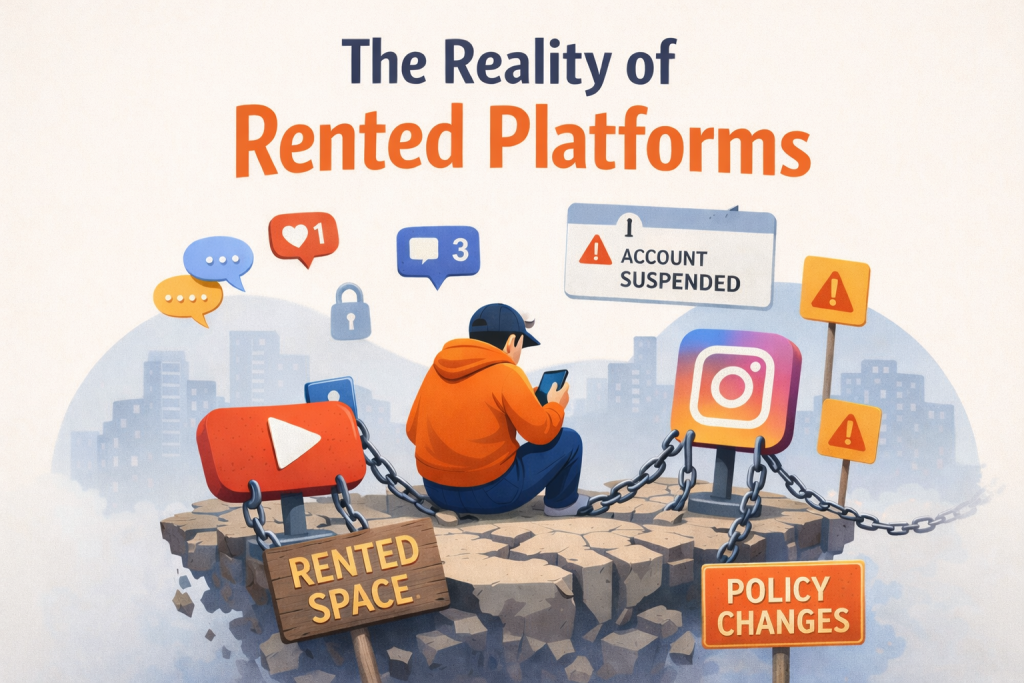
Rented platforms such as LinkedIn, Instagram, TikTok, X, and Facebook offer undeniable advantages. They provide instant access to vast audiences, advanced targeting capabilities, and refined engagement tools. For brands seeking visibility and rapid growth, these platforms often offer the fastest route to traction.
A strong campaign can reach millions within days. Algorithms can amplify content at scale, while social proof through likes, shares, and comments helps build credibility.
Yet this convenience comes with a trade-off. Brands operating solely on rented platforms are always exposed to external forces. Algorithm changes can significantly reduce organic reach without warning. Policy shifts can disrupt content strategies. And entire platforms can lose relevance or shut down — taking communities with them.
From a financial perspective, declining organic reach continues to push brands towards paid media simply to maintain visibility. The result is a system that increasingly rewards spend rather than value.
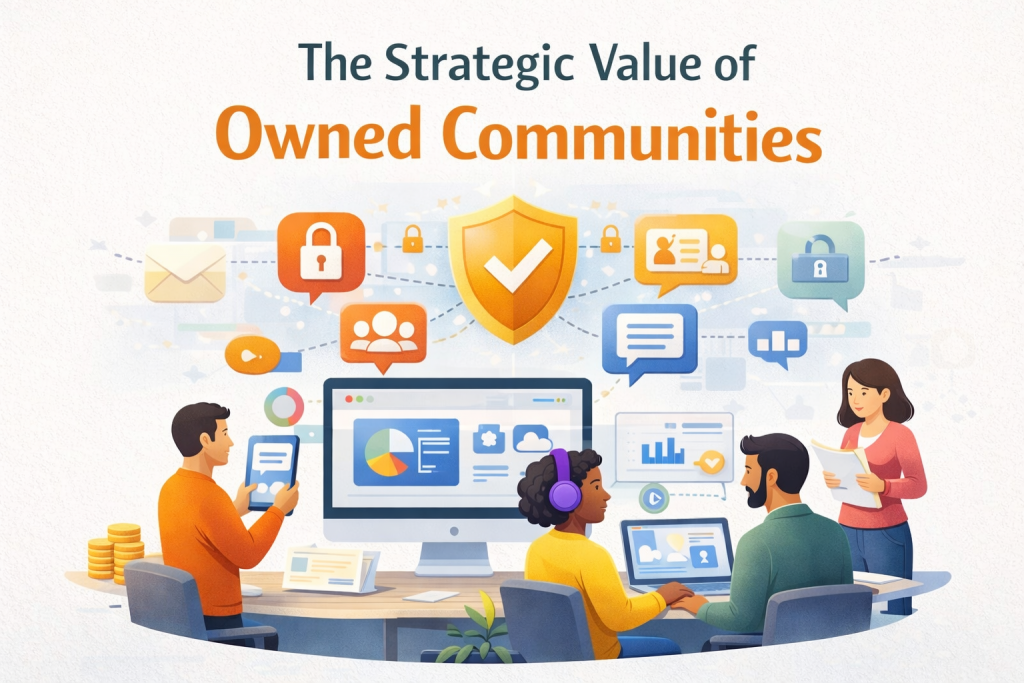
Owned communities — including newsletters, membership platforms, brand forums, and private networks — give brands control over their ecosystem, their data, and their relationships.
At Trivone, we’ve observed that when audiences actively choose to join a brand’s own space, engagement deepens naturally. These are not passive followers; they are high-intent participants who value the connection.
Ownership also unlocks richer insight. Brands gain access to meaningful behavioural data and engagement patterns that inform smarter content strategies, stronger customer experiences, and better business decisions.
Although owned communities require initial investment in technology, content and governance, their long-term value compounds. Unlike paid media, their impact does not disappear when budgets pause.
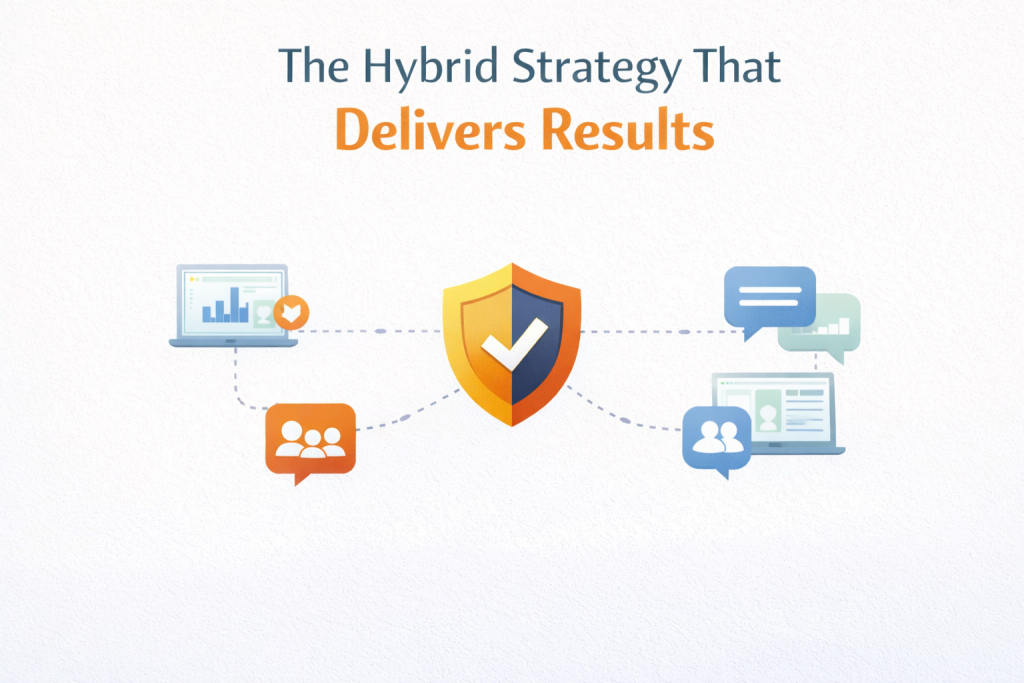
The most effective brands do not choose between rented platforms and owned communities — they design ecosystems that use both.
Social platforms perform best for awareness and discovery. They help brands remain visible and relevant.
Owned communities excel at retention and loyalty. They are where relationships mature, advocacy develops, and long-term value is created.
At Trivone, we help brands connect these two worlds: using high-performing content on social platforms to attract attention, then converting engaged audiences into owned communities through valuable experiences and meaningful engagement.
The right balance depends on your brand’s goals, resources and audience maturity. Emerging brands may prioritise reach through social platforms. Established brands with loyal audiences are better positioned to build scalable owned ecosystems.
What matters most is intentional strategy — not simply being present everywhere, but investing in the channels that support sustainable growth. This is where Trivone partners with brands: aligning content, channels, and community strategy with long-term business outcomes.
Audience behaviour is changing. People are increasingly selective about where they invest their attention. Trust, relevance, and depth of connection now matter more than volume.
Technology is evolving alongside this shift. Community platforms, data tools, and AI-driven personalisation are making it easier than ever to build and manage meaningful brand-owned ecosystems.
Brands that invest in ownership today are building resilience for tomorrow,
Conclusion
Rented platforms will always play an important role in reach and discovery. But brands that rely on them alone remain exposed to forces beyond their control.
The most sustainable strategy is to use social platforms as gateways, not destinations — attracting attention, demonstrating value, and then deepening relationships within owned environments.